

Quick answer: Fuel cost management for business means budgeting fuel in litres, tracking cost per km and per delivery, and adding fuel pass-through clauses to customer contracts. Petrol and diesel sit outside GST in India, so you get no input tax credit. Every rupee of a price hike lands straight on your margin.
Petrol at ₹115.69 in Hyderabad.
Diesel at ₹103.82.
Zero GST credit on either.
And your delivery contracts were priced last year.
What happened to petrol and diesel prices this year?
Pump prices rose four times in May 2026 and have sat at those higher levels since.
On 15 May, Indian Oil, BPCL and HPCL raised petrol and diesel by ₹3 a litre. Outlook Business called it the first hike in more than four years. Those three companies run over 90% of India’s fuel stations.
Two more revisions followed within eight days. By 23 May, petrol was up ₹4.74 and diesel ₹4.82 in total, Business Today reported.
A fourth hike came on 25 May: ₹2.84 on petrol and ₹2.86 on diesel. After it, Deccan Chronicle reported record prices in the Telugu states:
- Vijayawada: petrol ₹117.19, diesel ₹104.88
- Guntur: petrol ₹117.59, diesel ₹105.28
- Hyderabad: petrol ₹115.58, diesel ₹103.74
Delhi moved from ₹97.77 after the first hike to ₹102.12. That is roughly ₹7 more per litre than before 15 May.
In October, private retailers went further. Nayara raised petrol by ₹5 and diesel by ₹3 across 7,108 pumps. Jio-BP did the same on 11 October, Goodreturns reported.
Today? Stable, but high. On 18 November, The Hans India listed Hyderabad petrol at ₹115.69 and diesel at ₹103.82. On 17 November, Brent crude was near $92 a barrel, HDFC Sky noted. That is down from above $100 in October, but nobody is promising cuts.
Why can’t you claim GST input tax credit on petrol and diesel?
Because petrol and diesel are not taxed under GST at all, so there is no GST credit to claim.
Article 279A(5) of the Constitution leaves it to the GST Council to recommend a date for levying GST on petrol, diesel, crude, natural gas and ATF. Section 9(2) of the CGST Act says the same. The Council has made no such recommendation, the Finance Ministry told the Rajya Sabha.
Petitioners went to the Kerala High Court to force a date. The court said the decision rests solely with the Council and dismissed the petitions, Taxmann reported.
So your pump bill carries central excise and state VAT instead. Neither can be set off against your GST output liability.
What this means for your books:
- Every rupee of fuel is a full cost. Unlike most inputs, nothing comes back as credit.
- A ₹5 hike hits margin directly. There is no tax cushion between the pump and your P&L.
- State VAT matters. It is why Hyderabad and Vijayawada pay more than Delhi for the same litre.
Your accountant files the returns correctly. But someone has to model what an unrecoverable, volatile cost does to your margin. That is a finance job, not a filing job.
How should you budget fuel when prices keep moving?
Budget litres first, then price them at today’s rate plus a buffer.

Rupee budgets break every time the pump price moves. Litre budgets don’t. Kilometres and mileage change slowly; price changes overnight.
Here is a simple method:
- Count kilometres. Use route data, GPS logs or odometer readings for the last three months.
- Convert to litres. Divide by real mileage, not the brochure figure.
- Price at today’s rate. Use the pump price in your city, not a national average.
- Add a scenario. Run the budget again at ₹5 and ₹10 more per litre.
- Review monthly. Compare litres per km against plan, then price variance separately.
Splitting volume variance from price variance is the key. If litres per delivery rise, that is an operations problem. If only the price rose, that is a pricing and contract problem.
If you are new to building a budget line by line, start with our step-by-step guide to a business budget.
How do you track fuel cost per km and per delivery?
Divide the pump price by real mileage for cost per km, then fuel spend by completed deliveries for cost per drop.
These two numbers turn a vague expense into something you can price, compare and manage.
| Metric | Formula | Illustrative figure (Hyderabad, Nov 2026 prices) |
|---|---|---|
| Fuel cost per km, petrol bike | Petrol price ÷ km per litre | ₹115.69 ÷ 45 = about ₹2.57 |
| Fuel cost per km, diesel van | Diesel price ÷ km per litre | ₹103.82 ÷ 12 = about ₹8.65 |
| Fuel cost per delivery | Monthly fuel spend ÷ deliveries completed | Depends on route density |
| Fuel share of delivery fee | Fuel cost per delivery ÷ fee charged | Watch this every month |
Mileage figures here are illustrative. Use your own fleet data.
A few habits make the numbers honest:
- Use fuel cards or a single UPI account for field staff, so every litre has a vehicle tag.
- Log the odometer at every fill. Litres without kilometres tell you nothing.
- Flag outliers weekly. A bike doing 30 km per litre when the fleet does 45 is worth a question.
- Track failed deliveries. A second attempt burns fuel and earns nothing.
Fuel reimbursements for staff on their own bikes need the same logic. A flat monthly allowance set in 2024 is now quietly underpaying people or overpaying them.
Should your contracts carry a fuel surcharge clause?
Yes, if fuel is a big share of what you charge, a fuel pass-through clause protects your margin without a fresh negotiation every time prices move.
Look at how transporters fared this year. Diesel is 50-60% of trucking operating costs, according to CRISIL, which said each ₹5 per litre rise needs freight rates up 2.5-2.8% just to protect margins. Many operators could not recover nearly 80% of fuel cost increases in contracted freight, Angel One reported from the CRISIL note.
The lesson for any business with delivery or field costs: fixed-price contracts transfer fuel risk to you.
A simple pass-through clause has four parts:
- Base price. The pump price in a named city on the contract date.
- Fuel share. The portion of your fee that is fuel, agreed upfront.
- Trigger band. No change until the price moves, say, 3% either way.
- Reset timing. Monthly or quarterly, based on a published price.
Illustrative example: your delivery fee is ₹60 and fuel is 30% of it. Diesel rises 10% above base. The fee rises 3%, or ₹1.80.
The clause must work both ways. Customers accept a surcharge more readily when it also falls with prices. For broader thinking on passing costs on, see our piece on strategic pricing.
Worked example: what does a ₹5 hike cost a Hyderabad distributor?
About ₹60,000 a year for a small fleet, before anyone notices.
This is an illustrative scenario. Consider a Hyderabad FMCG distributor with 12 petrol delivery bikes and 2 diesel vans. Prices are from The Hans India on 18 November.
- Each bike runs 70 km a day, 26 days a month, at 45 km per litre. That is about 485 litres a month for the fleet.
- Each van runs 120 km a day at 12 km per litre. That is 520 litres a month for both.
- Petrol: 485 litres × ₹115.69 = about ₹56,150.
- Diesel: 520 litres × ₹103.82 = about ₹53,990.
- Total fuel: about ₹1.10 lakh a month, or ₹13.2 lakh a year.
Now add ₹5 per litre to both fuels. Roughly 1,005 litres a month × ₹5 = ₹5,027 more each month. That is about ₹60,300 a year. A ₹10 rise doubles it to about ₹1.2 lakh.
None of that comes back as GST credit. If your customer contracts are fixed for twelve months, every rupee comes out of margin.
Bikes doing 30 drops a day make about 9,360 deliveries a month. Bike fuel then works out to about ₹6 per delivery. That is the number to compare with what each order earns.
Fuel also moves cash before profit. Pumps want payment today; customers may pay in 45 days. Our guide to scaling without losing liquidity covers that gap.
How 21DEGREES helps with fuel cost management
Fuel is a moving cost with no tax credit. It needs a model, not a guess.
As your virtual CFO, 21DEGREES builds a litre-based fuel budget with price scenarios. We set up cost-per-km and cost-per-delivery tracking from your fuel and route data. We review your customer contracts and help draft a fair fuel surcharge clause.
Every month you see fuel volume and price variance separately. You know whether to fix routes or fix pricing.
If inflation is squeezing other costs too, read our notes on protecting margins from inflation.
The bottom line
Pump prices rose four times in May and have stayed high. Fuel carries no GST credit, so it hits margin in full. Budget in litres, track cost per km and per delivery, and put a two-way fuel clause in your contracts. Then a price hike becomes a pricing update, not a loss.
Frequently asked questions
What is the petrol price in Hyderabad today?
On 18 November 2026, The Hans India listed Hyderabad petrol at ₹115.69 per litre and diesel at ₹103.82. Prices are revised at 6 am and can change, so check your oil company’s app or pump before budgeting.
Can a business claim GST input tax credit on diesel?
No. Petrol and diesel are not yet under GST because the GST Council has not recommended a date under Article 279A(5) and Section 9(2) of the CGST Act. Fuel bills carry excise and state VAT, which cannot be set off against GST.
How do I calculate fuel cost per km for my vehicles?
Divide the pump price by the vehicle’s real mileage in km per litre. For example, ₹103.82 diesel at 12 km per litre is about ₹8.65 per km. Use odometer readings at each fill to get real mileage.
What is a fuel surcharge clause?
It is a contract term that adjusts your price when fuel moves beyond an agreed band from a base price. It names the base price, the fuel share of the fee, the trigger band and how often it resets. It should work both ways, up and down.
Why are petrol prices higher in Andhra Pradesh and Telangana than in Delhi?
Pump prices include state VAT, which differs from state to state. After the May 2026 hikes, Vijayawada petrol was ₹117.19 and Delhi was ₹102.12, according to Deccan Chronicle.
P.S. Fuel is one of the few costs that can rise overnight and never come back as credit. If your prices are fixed and your fuel is not, you are carrying the oil market on your margin.
Want a fuel budget and surcharge clause built around your routes? Book a call with 21DEGREES.
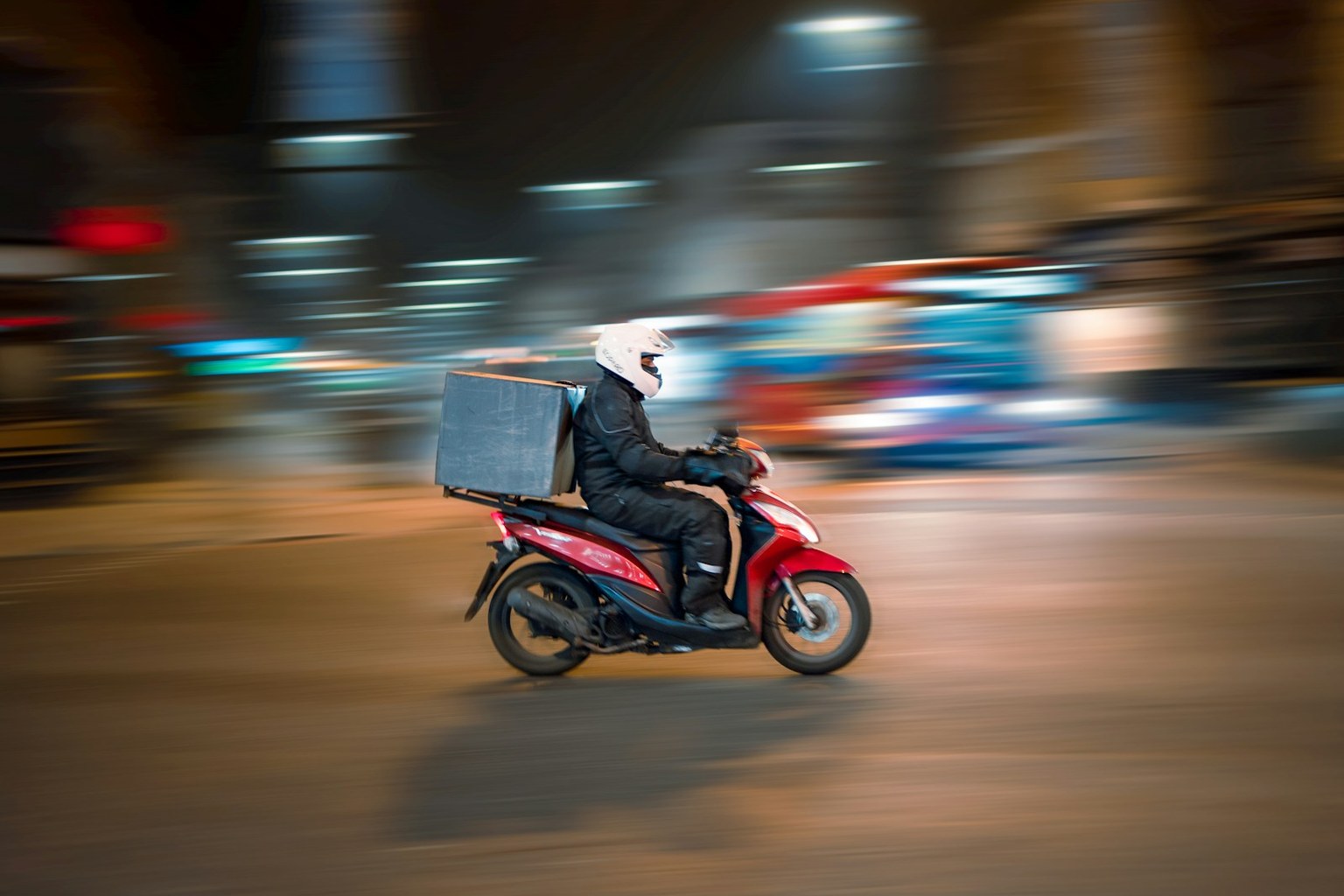
Featured image: Photo by Dibya Prakash Sethy on Unsplash